40KW 96KWH BESS Cabinet

This page documents the industrial outdoor cabinet model in the BESS range: a cabinet system that combines battery storage, a hybrid inverter and a solar input arrangement for commercial and industrial sites. The cabinet is assembled and integrated as a system — battery modules, battery management, inverter and balance of system brought together in one outdoor enclosure — and the figures below are this model's own specification as listed by the supplier.
Specification as listed
| Item | Value as listed |
|---|---|
| Storage capacity | 96KWh (307.2V 314AH) |
| Battery module layout | 16KWh x 6 modules |
| Cycle life | >6000 cycles @80% DOD |
| Hybrid inverter | 40KW, model S6-EH3P40k-H as listed |
| MPPT voltage range | 150-850V |
| Solar array in the listed configuration | 70pcs 590W N-type TopCon modules |
| Daily output in the listed configuration | 247.8KWH |
The listed configuration is a complete working example: the cabinet, its hybrid inverter and a matched solar array, with the array's daily output stated for that configuration. Your site's array, load profile and tariff will differ, so treat the configuration as a reference build — the way to see how the parts are integrated — and have your own configuration confirmed against your site's figures before ordering.
Duties this format is planned for
The cabinet format is planned around three industrial duties. For peak shaving, the system discharges into the site's demand peaks and recharges when demand is low. For solar integration, it stores production that would otherwise be exported at midday and releases it into later production hours. For backup planning, it supports the loads the site agrees are essential through short interruptions. Which duty leads decides the sizing conversation, and the planning guides work through each duty in turn.
Warranty, split by component as listed
| Component | Warranty as listed |
|---|---|
| Solar panels | 25 years |
| Inverter | 5 years |
| Battery system | 10 years |
| Mounting and cables | 10 years |
The warranty terms above are split by component because that is how the product lists them; they belong to this cabinet configuration and are not a single whole-system term. Confirm the warranty wording for your configuration in the quotation. Before ordering, confirm minimum order quantity and lead time for your configuration.
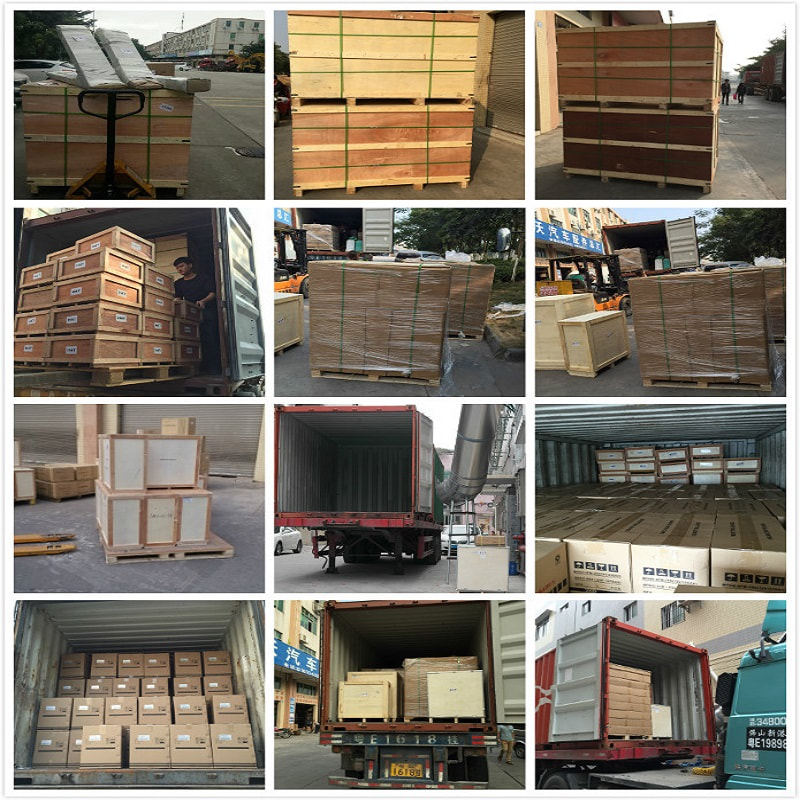
Certificates available upon request. For a cabinet project, ask for the documents that name this cabinet configuration, and check them alongside the quotation.
Reading the cycle and output figures
Two figures in the specification deserve a careful reading. The cycle reference is stated at a defined depth of discharge, which is the honest way to state it: a cycle counted on a shallow discharge and a cycle counted on a deep one are different amounts of work, and the figure only means something together with the condition attached to it. When you compare cabinet offers, compare cycle figures only where the stated conditions match, and ask for the conditions where an offer gives a bare number.
The daily output figure belongs to the listed configuration as a whole — this cabinet, this inverter and the matched array working together on the documented basis. It shows the scale of system the configuration represents. Your site's output will follow your array, your climate and your load pattern, so the right use of the figure in an enquiry is as a reference point: bring your own array size and demand pattern, and have the expected behaviour of your configuration discussed against them, in writing, before the order is placed.
Bringing site data to the configuration
A cabinet configuration is only as good as the site data behind it. The useful package is small: the demand pattern across a typical week, the tariff structure the site pays under, the solar array that exists or is planned, and the list of loads the site treats as essential. With those four items, the module layout, the inverter arrangement and the duty priorities can be settled as one design rather than guessed as three separate ones.